

BRISA™
BRISA™ (Breast RNA Intrinsic Subtype Assay) is an advanced laboratory test that analyzes the activity of specific genes within a breast tumor, uncovering its unique molecular make-up. Designed specifically for breast cancer classification, BRISA™ delivers the molecular precision needed to guide personalized treatment planning.
Who Is BRISA™ For?

Newly Diagnosed Patients
Individuals with invasive breast cancer who want to determine breast cancer subtype.

Hormone-Positive Diagnoses
Patients with ER+ breast cancer seeking clarity on prognosis and therapy options.

Clinically Complex Cases
Scenarios where traditional pathology results are ambiguous or conflicting.
How Does BRISA™ Benefit Patients?
Uncover your cancer's unique molecular signature for optimal treatment planning.
Determines Tumor Aggressiveness: Reveals how fast the cancer is likely to grow and the probability of it returning.
Guides Treatment Selection: Helps decide if you are more likely to respond to hormone therapy, targeted HER2 therapy, or chemotherapy.
Avoids Overtreatment: Helps some patients avoid unnecessary treatments like chemotherapy when unlikely to provide a benefit.
Enhances Shared Decision-Making: Provides data-driven evidence to choose the most effective long-term management plan.
What is included in BRISA™?
BRISA™ evaluates tumor RNA expression profiles to classify breast cancers into intrinsic molecular subtypes including:
These intrinsic subtypes provide information on tumor biology, aggressiveness, recurrence risk patterns, and likely response to endocrine therapy, chemotherapy, and targeted treatments.
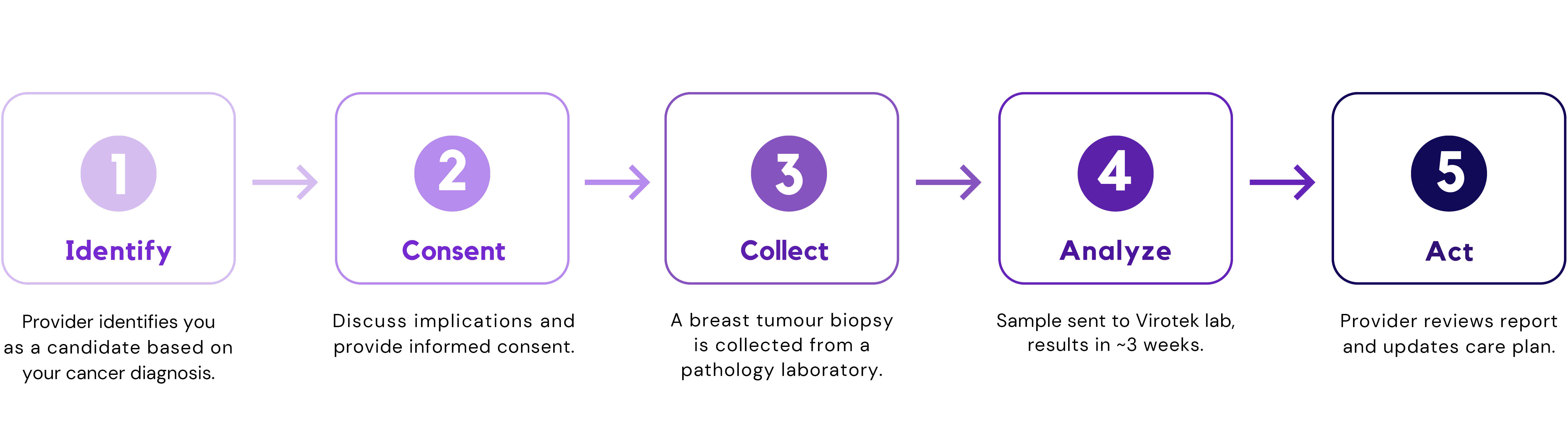
How It Works
A simple, guided process from consultation to clinically actionable reporting.
Ready to Integrate BRISA™ Into Your Practice?
Contact our team to learn how our tests can enhance your clinical offerings and improve patient outcomes.
Contact Sales Request Information