

HRD+™
HRD+™ (Homologous Recombination Deficiency) identifies critical weaknesses in a tumor's DNA repair machinery. By revealing these vulnerabilities at the molecular level, HRD+™ helps determine whether PARP inhibitor therapy is likely to be effective — turning a tumor's own limitations into a targeted treatment advantage.
Who Is HRD+™ For?

Ovarian Cancer
Patients with ovarian cancer, particularly high-grade serous types.

Breast Cancer
Individuals with triple-negative breast cancer.
Advanced Malignancies
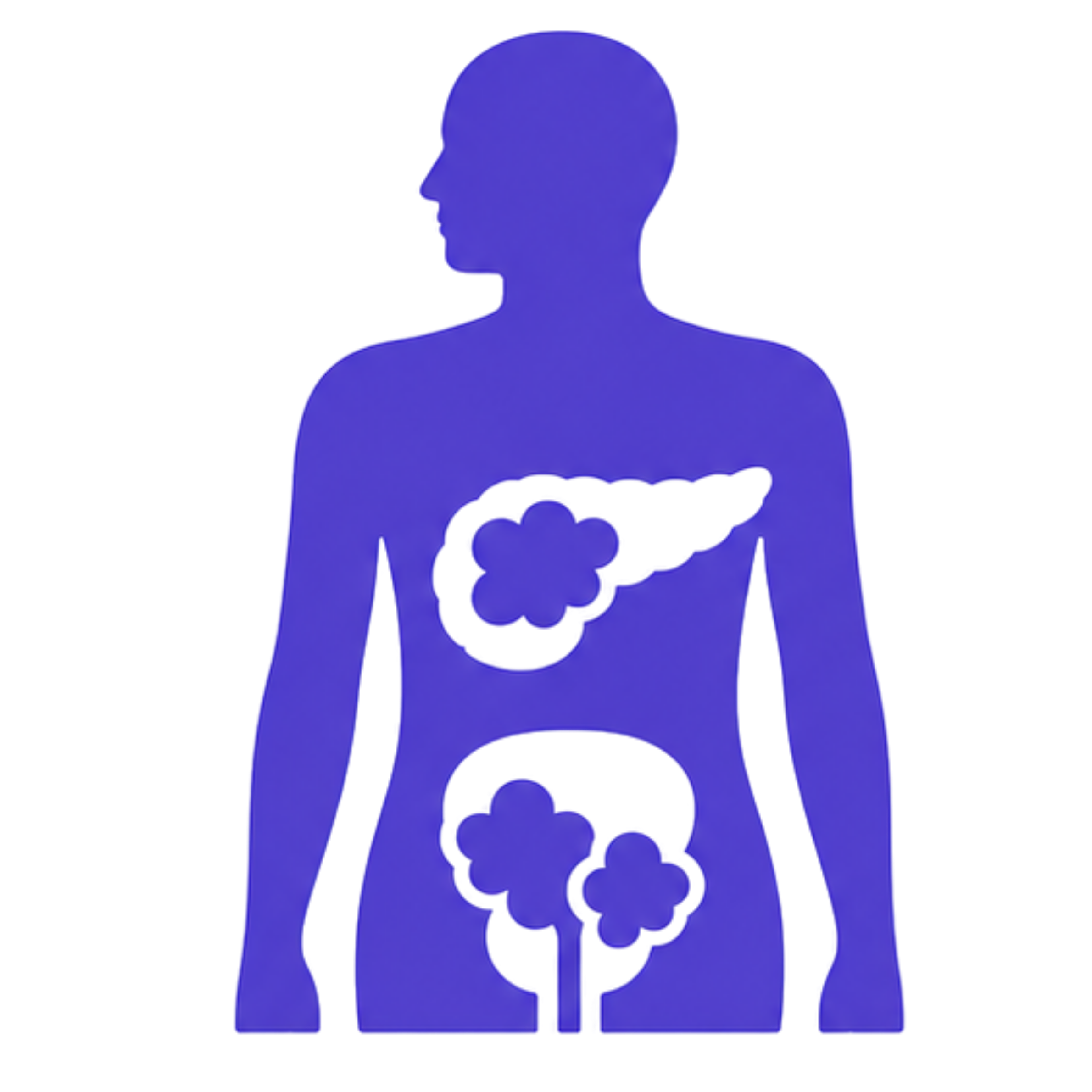
Patients with metastatic prostate or pancreatic cancer.

PARP Evaluation
Anyone being evaluated for PARP inhibitor therapy or platinum-sensitive treatments.
How Does HRD+™ Benefit Patients?
Move beyond standard chemotherapy to find the specific vulnerability of your cancer.
Identifies PARP Inhibitor Eligibility: PARP inhibitors are advanced therapies designed to target cancer cells with HRD.
Predicts Chemotherapy Response: Tumors with high HRD scores respond significantly better to platinum-based treatments, guiding your oncology team toward the most effective approach.
Avoids Ineffective Treatments: Rules out therapies unlikely to work, sparing you from unnecessary side effects and lost time.

Understanding Genomic Instability
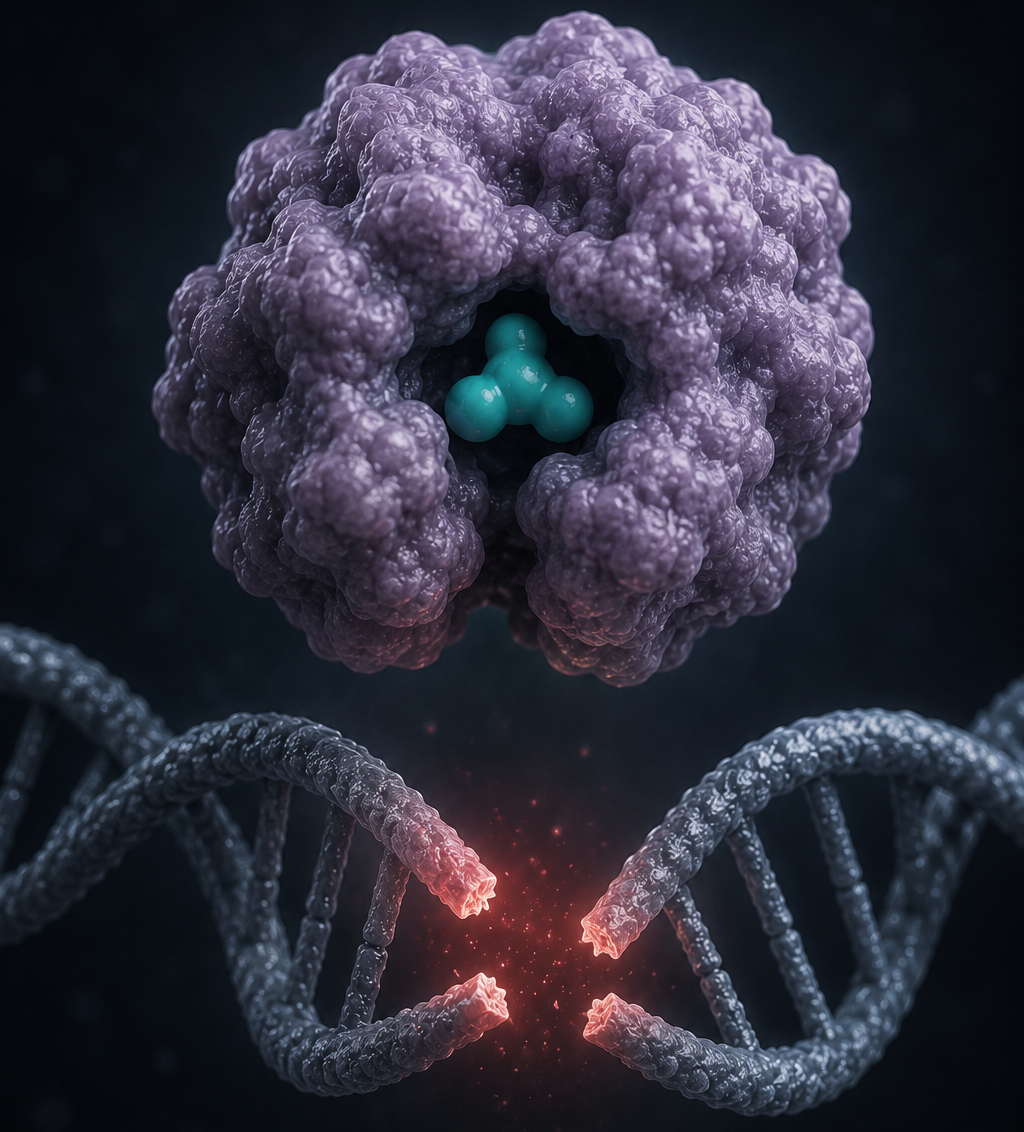
Tumors that can’t repair their DNA accumulate damage over time — a pattern known as genomic instability. This matters because:
Tumors with high genomic instability are significantly more vulnerable to PARP inhibitor therapy
A high HRD score signals the tumor’s repair machinery can be exploited by targeted treatment
Without this measurement, patients may miss out on therapies designed for this weakness
How It Works
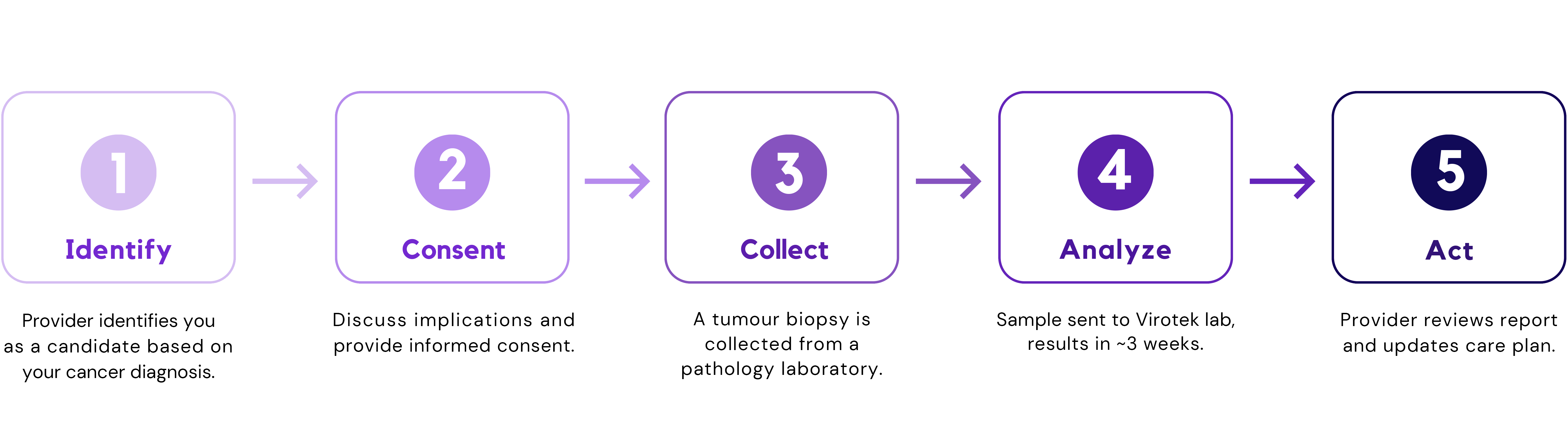
A simple, guided process from consultation to clinically actionable reporting.
Ready to Integrate HRD+™ Into Your Practice?
Contact our team to learn how our tests can enhance your clinical offerings and improve patient outcomes.
Contact Sales Request Information